Insights
When ‘Everyday Banknotes’ Have to Work Harder
Meet Mauricio Hurtado, Senior Banknote Designer
Low-denomination banknotes are often the hardest working notes in circulation. They pass through thousands of hands, survive years of daily use and need to remain easy to authenticate under almost any condition. Few people understand those challenges better than Mauricio Hurtado, Senior Banknote Designer at Crane Currency, whose career has taken him from Venezuela and Chile to one of the world’s leading banknote innovators and printers.
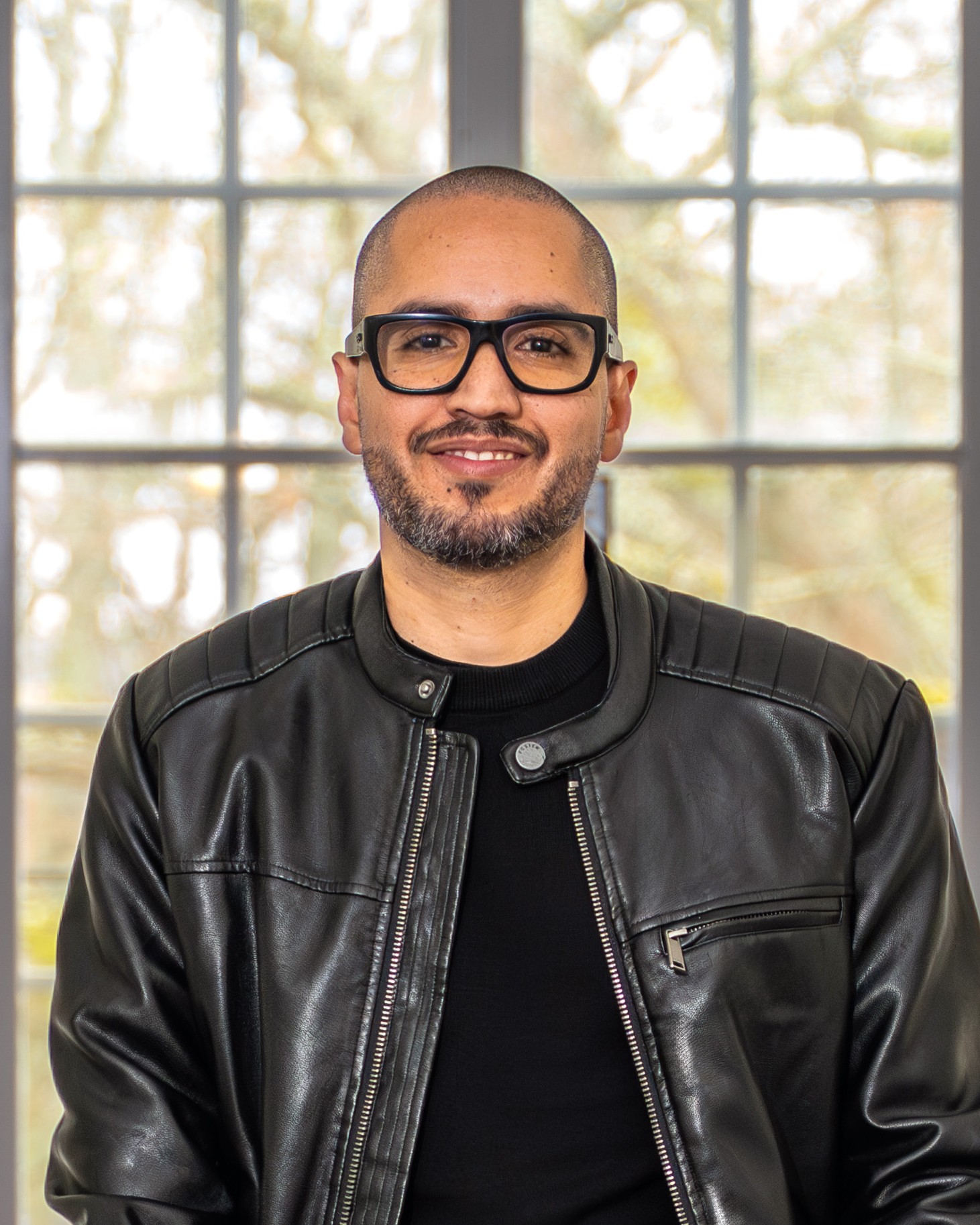 Based in Tumba outside Stockholm, Mauricio works with central banks around the world helping turn complex security requirements into banknotes that are secure, durable and visually engaging. His work spans the entirety of the creation process from intricate background patterns to integrating advanced security features such as cBREEZE™, Crane’s micro-optic solution for high-velocity banknotes.
For Mauricio, creating a banknote has never been just about appearance.
“People usually see the finished note and think about the artwork, the portraits or the colors,” he says. “What they don’t see is everything happening behind the design. You need to think about production, circulation, security and how people will use the note. All those things must work together.”
A Career Shaped by Currency
His route into the industry was anything but predictable.
Mauricio originally planned for a future as a journalist. After graduation in Venezuela, he instead turned graphic design into a profession. A university professor encouraged him to apply for a position at the Central Bank of Venezuela, opening the door to a field he knew little about at the time.
“It turned out to be one of the most fascinating jobs I could imagine,” he says. “You are working with something that belongs to an entire country. A banknote is not just a means of payment, it becomes a calling card for the nation itself.”
After nearly a decade at the central bank, Mauricio moved to Chile where he joined Casa de Moneda de Chile and gained a deeper understanding of security printing and industrial production. The experience taught him an important lesson that still guides his work today.
“Sometimes designers want complete creative freedom and engineers want perfect functionality,” he says. “The reality is somewhere in the middle. Good banknote development happens when those worlds come together.”
Why ‘Everyday Banknotes’ Are Different
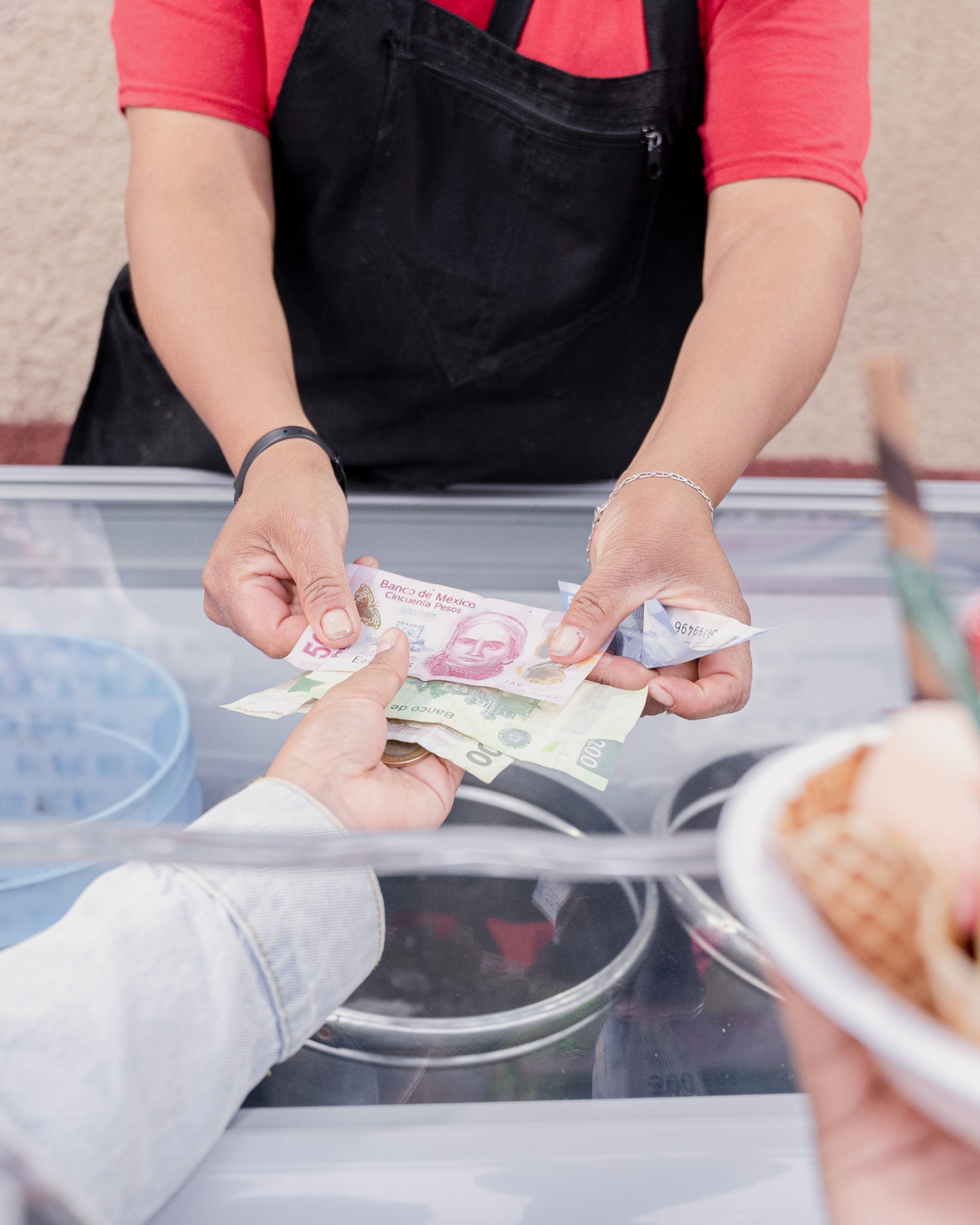
That balance becomes especially important when working with low-denomination banknotes.
While higher-value notes often receive the most public attention, lower denominations tend to face the toughest conditions. They circulate more frequently, wear out faster and are often handled in environments where people verify authenticity in a matter of seconds.
A security feature may perform well in a laboratory or under ideal lighting. Real-world conditions are rarely that forgiving.
“In circulation, a banknote gets folded, dirty and damaged,” Mauricio says. “People don’t stop to study it. They need to recognize key features immediately. That’s why visibility is so important.”
Making Security Visible
This is one reason he has enjoyed exploring Crane’s micro-optic features. Earlier in his career, security threads were often treated as technical elements that designers had to work around. Today, he’s working across a span of possibilities.
“When I started in the industry, many threads were quite limited from a design perspective,” he says. “Now you can create movement and visual effects that become part of the overall banknote rather than something added afterwards.”
Among those technologies is cBREEZE™, developed for high-velocity banknotes where cost efficiency, durability and public authentication are balanced.
Mauricio sees particular value in its visibility and simplicity.
“It is very easy for the public to notice, which is important,” he says. “As a banknote designer, I also find it straightforward to integrate. cBREEZE™ gives you a strong visual element without overwhelming the rest of the note.”
The Art Behind the Patterns
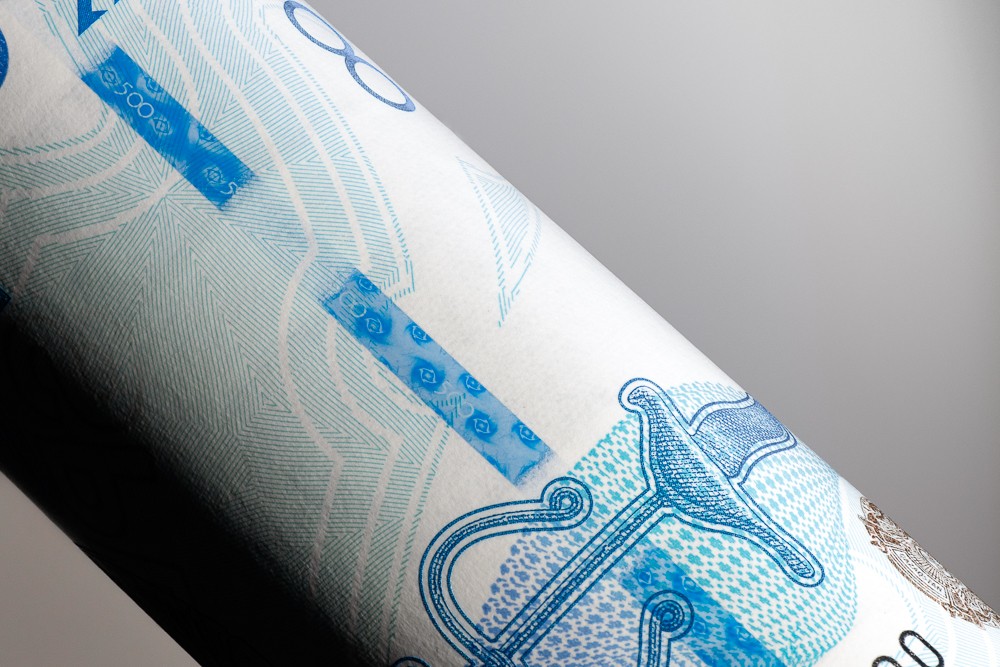
His enthusiasm for the craft extends well beyond security features. One of his favorite parts of the job is creating the intricate patterns that appear throughout a banknote. It is a surprisingly demanding discipline, requiring equal parts creativity, technical knowledge and patience.
“You want the pattern to be detailed and sophisticated enough to make it harder to counterfeit,” he says. “At the same time, it must work in production. There is always a balance between complexity and practicality.”
Finding inspiration often takes him away from the screen.
“We use many different tools today, including AI for research,” he says. “But I still enjoy going back to books, history and cultural references. That’s often where you find ideas that feel unique and authentic.”
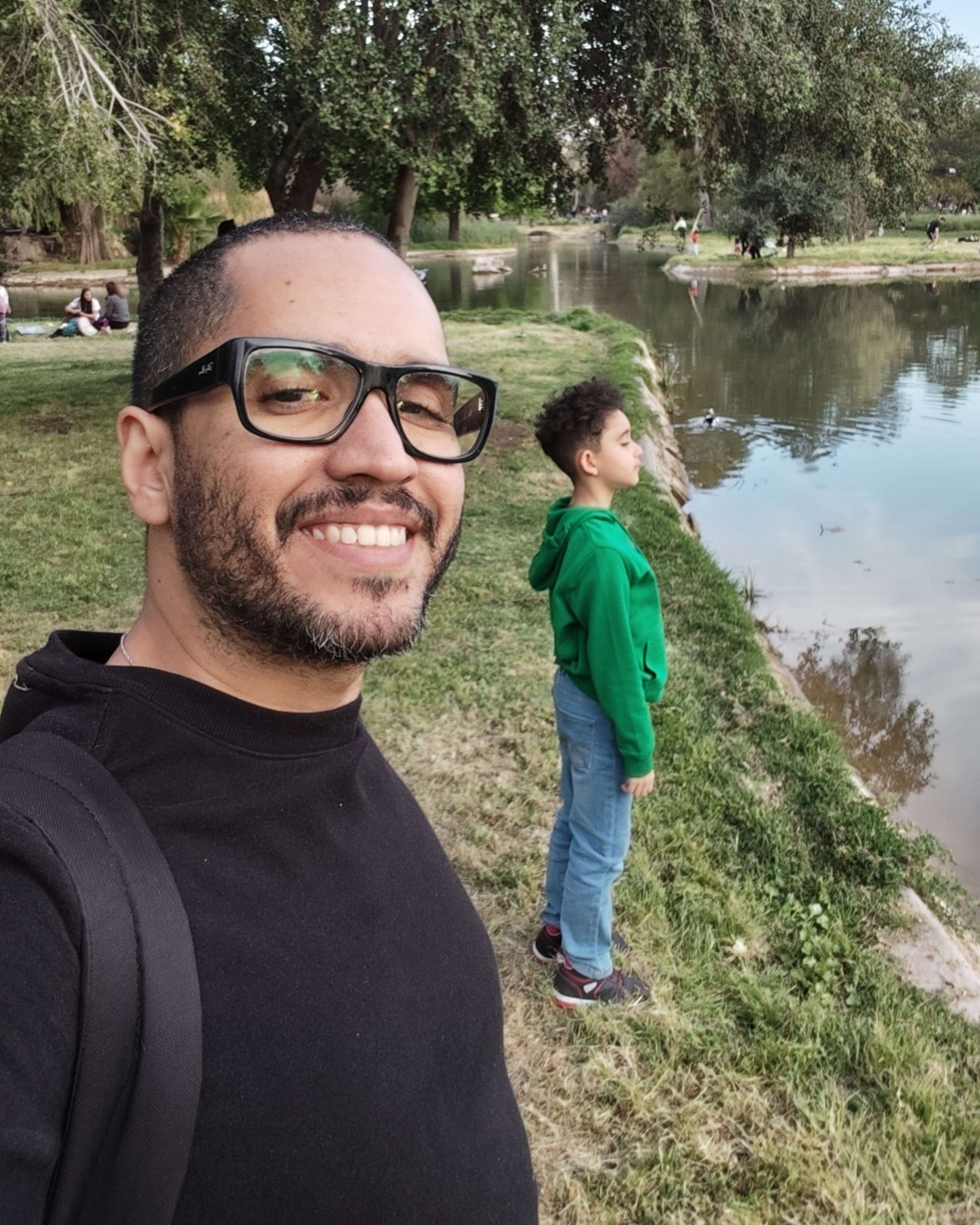
That interest in culture and identity has followed him throughout a career that has taken him from Venezuela to Chile and now Sweden. His family remains spread across several countries. His parents and siblings still live in Venezuela, while his ten-year-old son lives in Chile with his mother. Despite the distance, they speak every day.
“Technology is amazing,” he says with a laugh. “Years ago, that would have been much harder.”
A Calling Card for a Country
Looking ahead, Mauricio believes both banknote design and security will continue to evolve as new technologies emerge. Artificial intelligence is already changing parts of the industry, creating new opportunities as well as new challenges.
Yet for all the advances in technology, Mauricio believes the purpose of a banknote remains remarkably consistent.
“A banknote is a calling card for a country,” he says. “When people look at it, they should recognize something about their history, culture and identity. Security is important, but it must feel like it belongs there.”
It’s a perspective that continues to make the work rewarding. Behind every finished banknote lies a series of choices that ultimately express how a country wants to present itself to the world and to its own citizens, and to do so securely.
For Mauricio, that challenge remains just as fascinating today as when he first entered the industry more than two decades ago.